

Dr. Sourabh, P11250, Dr. Nidhi patwardhan
Purpose: To check feasibility and accuracy of Retroillumination reference axis marking using iToric android application
Methodology: 54 Patients (Age 4- 78 yrs) undergoing cataract surgery by phacoemulsification on topical anesthesia or general anesthesia were included in study. The eyes with mature cataract with no retroillumination image were excluded from the study. The eyes to be operated were dilated andretroillumination image was captured using HuvitzAutorefractometer.(Fig. 1) The reference marks were selected and captured using iToric android application available on Play Store on Android platform .(Fig. 2) Before surgery 0-180 degree axis was marked using standard marker pen and the feasibility to use retroillumination marks as reference point was noted. Reference marks were measured on table using Mendez axis ring.(Fig.3) The measured axis was compared with the axis measured by iToric on autorefractometer image.
Results: Retroillumination marking can be used in 57.4%(n=31) cases of cataracts included in study. The reason for not able to use retroillumination marking during surgery was not able to identify the lenticular opacity used for marking in 21 of 23 (91%) cases and corneal haze in 2 of 23(9%) cases. The error in iToric marking as compared to 0-180 conventional marking was 1.25+/- 2 (range 0-5) degrees The accuracy was within +/- 5 degrees in all 31cases(100%) in which the marked opacities were identified..
Conclusion: Retroillumination marking is a novel method which can be used in patients who do not allow standard reference marking.
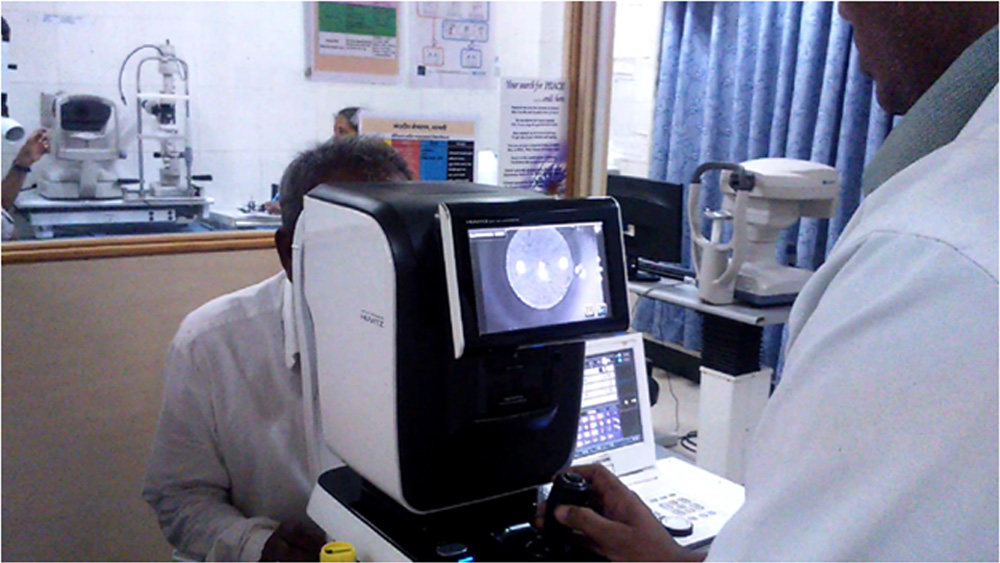
Figure 1. Retroillumination image on Autorefractometer
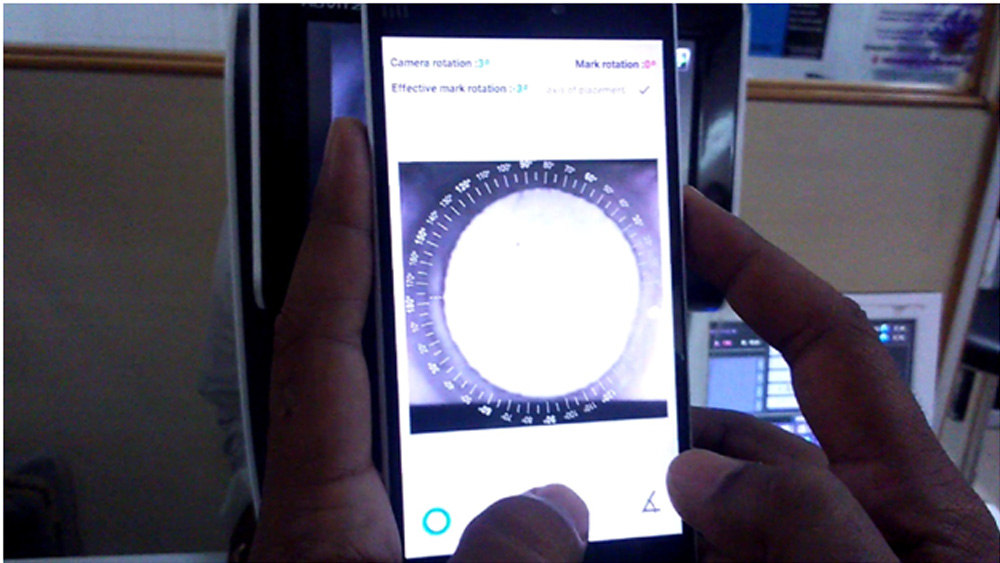
Figure 2a. Imaging and marking the opacities using iToric App
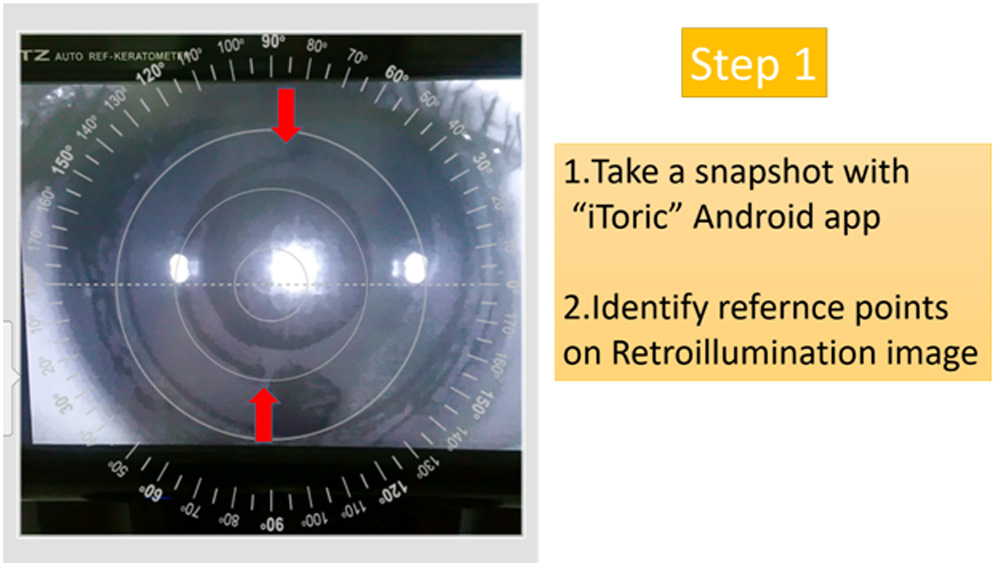
Figure2 b . Identifying reference points on iToric
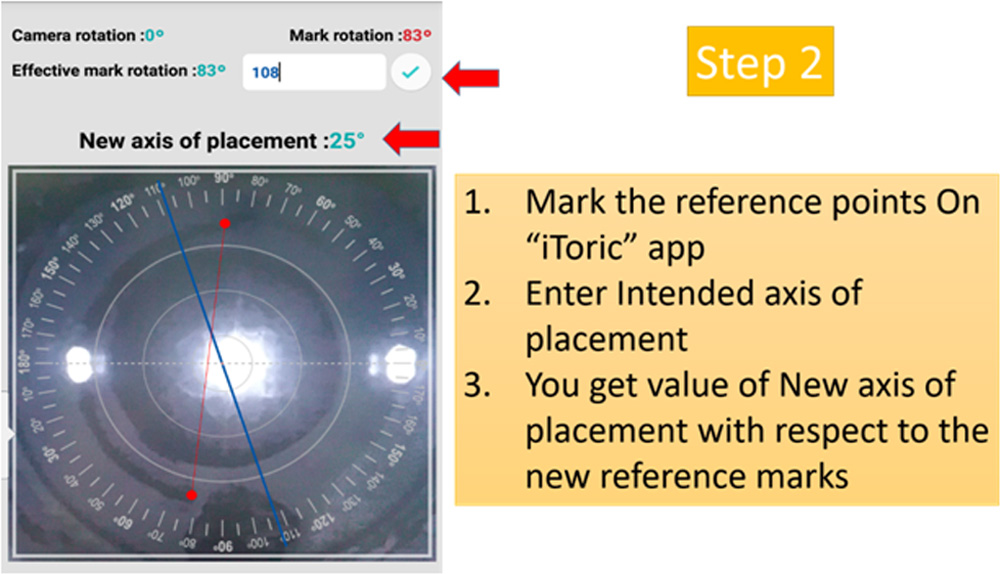
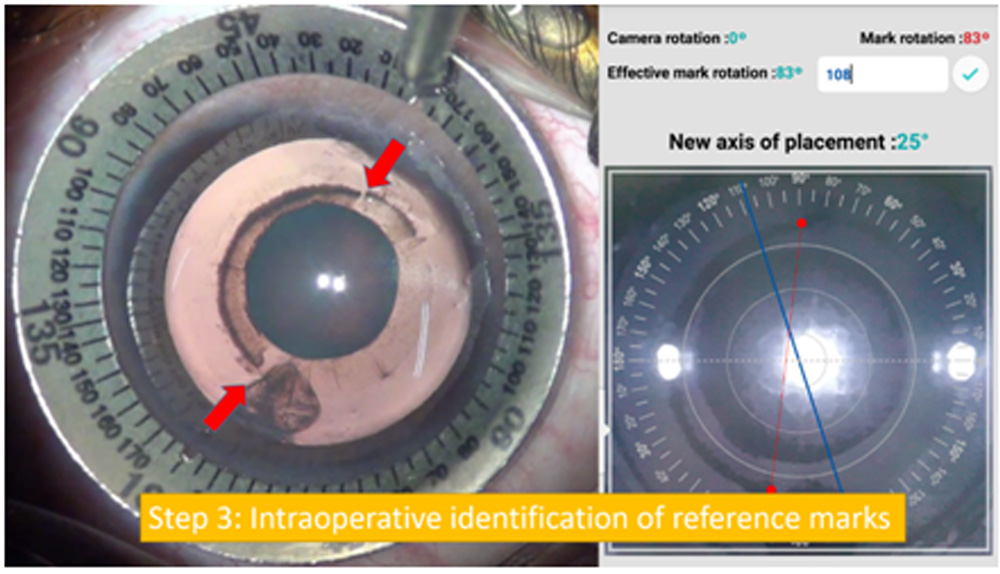
Figure 3. On tabler reference marking using Mendez ring
Leave a Comment