

Dr. Dhivya R., D16303, Dr. Jyotirmay Biswas
ABSTRACT
TITLE : REAL TIME PCR IN INFECTIOUS UVEITIS – A STUDY FROM A TERTIARY EYE CARE CENTRE IN SOUTH INDIA
Authors :Dhivya R, JyotirmayBiswas, Janani MK , Lily Therase
PURPOSE : To report results of Real time PCR of intraocular fluid from patients with infectious uveitis in a tertiary eye care centre from south india.
METHODS : Real time PCR was done from aqueous and vitreous of suspected infectious uveitis cases and clinical correlations were made.
RESULTS : 87 cases of clinically suspected infectious uveitis were included. The main complaint was defective vision (74.1%). The most common clinical diagnosis was granulomatous anterior uveitis followed by choroiditis. 23 patients had HRCT Chest done, 95.6 % had positive findings. Real time PCR was positive in 48.27% cases. Minimum number of copies detected was 3 and maximum was 29,164 .43.6 % cases were Nested PCR positive. All PCR positive for Mycobacterium TB were put on ATT with oral steroid. 47.7 % cases showed clinical and visual improvement.
COCLUSION : Real time PCR is a valuable tool in the diagnosis of infectious uveitis.The most common organism detected was Mycobacterium tuberculosis.
REAL TIME PCR IN INFECTIOUS UVEITIS – A STUDY FROM A TERTIARY EYE CARE CENTRE IN SOUTH INDIA
Uveitis can be a major vision threatening disease affecting one or the entire uveal tract (iris, ciliary body, and choroid) and occasionally the sclera, the cornea or the optic nerve. Uveitis is an important cause of ocular morbidity and blindness which can affect the quality of life significantly. Approximately 20% to 45% of uveitis cases are infectious. Despite remarkable advancement in management, the clinical and etiological diagnosis of uveitis is not always easy . Here plays the importance of Polymerase chain reaction and real time PCR in the etiological diagnosis of infectious uveitis. Real time PCR is fast technique for quantitative evaluation of ocular samples for the presence of infectious pathogens.
Polymerase chain reaction involvesenzymatic amplification of nucleic acid sequences in repeated cycles of denaturation, oligonucleotide annealing and DNA polymerase extension. The PCR uses in vitro
enzymatic synthesis to amplify specific DNA sequence within few hours.With each cycle there is a doubling of the final, desired DNA product such that million-fold amplification is possible at the end.
Real time PCR is a variant of PCR in which the amplification reaction is performed using fluorescent probes or DNA intercalating dyes that increase in fluorescence with the accumulation of doublestranded
PCR product. It is also called as Kinetic or Quantitative PCR in which the number of copies amplified can be detected.
PCR can be done to detect Mycobacterium tuberculosis targeting MPB64 and IS6110 DNA sequence , CMV, HSV,VZV,Rubella, Chickungunya , Eubacterial genome ,Panfungal genome, Propionibacterium, Toxoplasma gondii etc..
METHODS :
PATIENT SAMPLES :
This study is a prospective case series of 128 eyes of 87 patients.
Inclusion criteria :
Patient with clinically suspected infectious uveitis ( anterior / posterior / pan uveitis )
Exclusion criteria :
Patients with diagnosed autoimmune or collagen vascular diseases are excluded.
- Patients with other ocular comorbidities such as other Retinal diseases/ corneal diseases were excluded .
- Patients who underwent any ocular surgeries other than cataract were excluded.
All patients in the study group underwent a detailed ophthalmic examination including vision with refraction, intraocular pressure monitoring with GoldmannApplanation tonometer, detailed slit lamp examination , and fundus examination by indirect ophthalmoscope.
Fundus flourescienangiography ,Indocyanin green angiography and Optical coherence tomography were done in indicated cases.
Detailed Laboratory investigations including Complete blood count , ESR , serum ACE, Mantoux , were done . some of the patients underwent QuantiFERON TB Gold test and High resolution CT chest also .
All patients in the study group underwent PCR and real time PCR of intraocular fluid ( Aqueous / Vitreous sample ) for suspected infectious organism.
Based on the diagnosis patients were treated accordingly.
RESULTS :
- Out of 87 study patients, 52 (59.8 % ) were males and 35 (40.2 % ) were females. The minimum age with which the patient presented was 11 years and maximum age was 74 years. The mean age was 36.4 years and median was 35 years.
- 46 (52.9 % ) had unilateral involvement and 41 (47.1%) had bilateral involvement
- The most common complaint was defective vision (n=80,74.1 %),
Followed by floaters (n=12, 11.1 % ). 13.9 % (n=15 ) patients presented with redness and pain in the eye.
- The vision was in the range of 6/6 – 6/12 in 68.8 % of patients, 6/18 – 6/36 in 14.8 % , 6/60-1/60 in 6.3 % and 10.2 % of patients presented with < 1/60 vision.
- 2 % of study patients were diagnosed as having Tuberculosis and was on ATT when they presented to us .
- 8 % had associated uveitis induced glaucoma.
- The most common uveitis encountered was Granulomatous anterior uveitis of Tuberculous etiology followed by presumed tubercular choroiditis
- 2 % of uveitis had Autoimmune etiology
- ESR Positive in 44.4 % of TB patients ( 20 out of 45 TB cases )
- Mantoux Positive in 66.67% of TB patients ( 30 out of 45 TB Cases )
- Mantoux Negative in 31.11% of TB Patients ( 14 out of 45 TB cases )
- Serum ACE was positive in 85.7% of Sarcoidosis patients
P Value – 0.0294 ( which is statistically significant )
- Negative Mantoux test doesn’t rule out Tuberculosis
- QuantiFERON TB gold test was done in 13 patients ,
out of which 8 showed positivity
- 23 Patients underwent High resolution CT Chest imaging , out of which 22 showed abnormality suggestive of either TB / Sarcoidosis
- Nested PCR was positive in 43.6 % of cases
| NESTED PCR | FREQUENCY | PERCENTAGE |
| Eubacterium | 2 | 2.3 % |
| VZV | 2 | 2.3 % |
| MPB64 + IS6110 | 14 | 16.09 % |
| MPB64 | 11 | 12.64 % |
| IS6110 | 9 | 10.34 % |
- One patient showed positivity for multiple organisms –
MPB64 + , IS6110 +, VZV +
- One patient showed positivity for MPB 64 genome but negative for viral assay
- Real time PCR was positive in 42 patients (48.27 % )
- 7 % of patients showed positive Real time PCR when their nested PCR was negative
- The minimum number of copies detected by Real time PCR was 3 and maximum was 29,164 (MTb)
- Combination Therapy was given in 36 out of 87 patients
( 41.4% )
- The prognosis was better and uveitis resolved in first follow up in 61 out of 128 eyes (47.7% )
- Granulomatous anterior uveitis showed betteer prognosis
- The prognosis was poor with Multifocal Serpiginouschoroiditis
CONCLUSION :
Polymerase chain reaction is a powerful molecular tool for evaluation of very small amounts of DNA and RNA. PCR can be a simple, rapid, sensitive, and specific tool for the diagnosis of infectious Uveitis. Polymerase chain reaction products amplified directly from intraocular specimens are able to provide useful information with important therapeutic implications. The most common organism detected was Mycobacterium tuberculosis . Patients positive for M.Tb were started on anti tubercular therapy and oral steroids were given in combination and responded well.
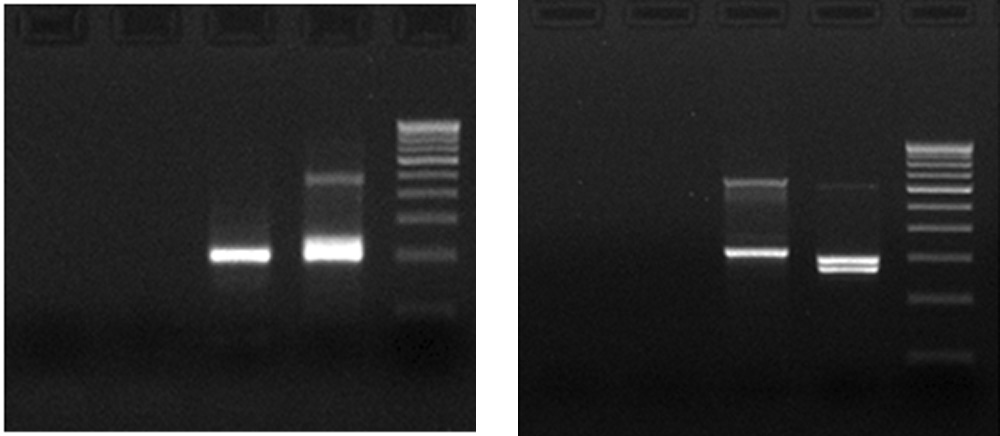
Fig 1 :Agarose gel electrophoretogram representing the results of
Mycobacterium tuberculosis PCR targeting MP64 gene and IS6110 region
MPB64 IS6110
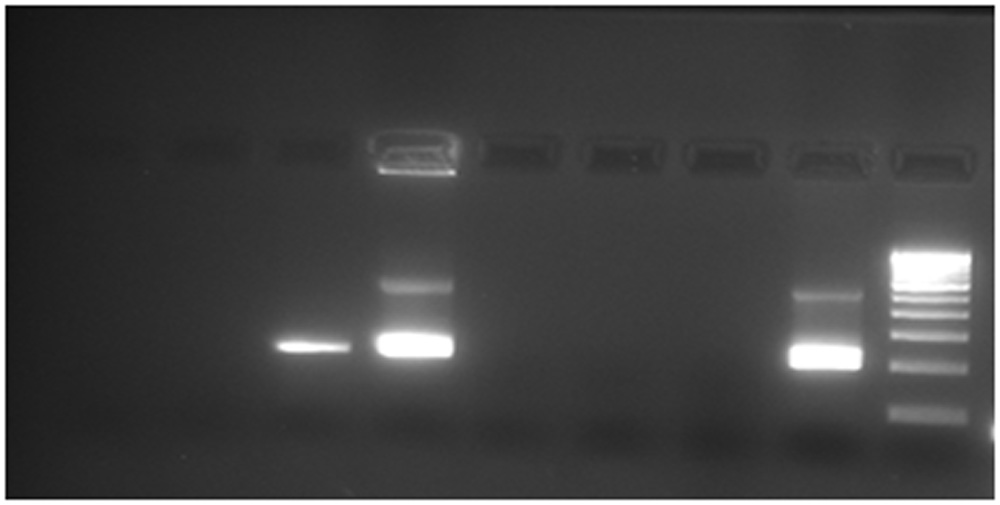
Fig 2 :VIRAL ANTERIOR UVEITIS
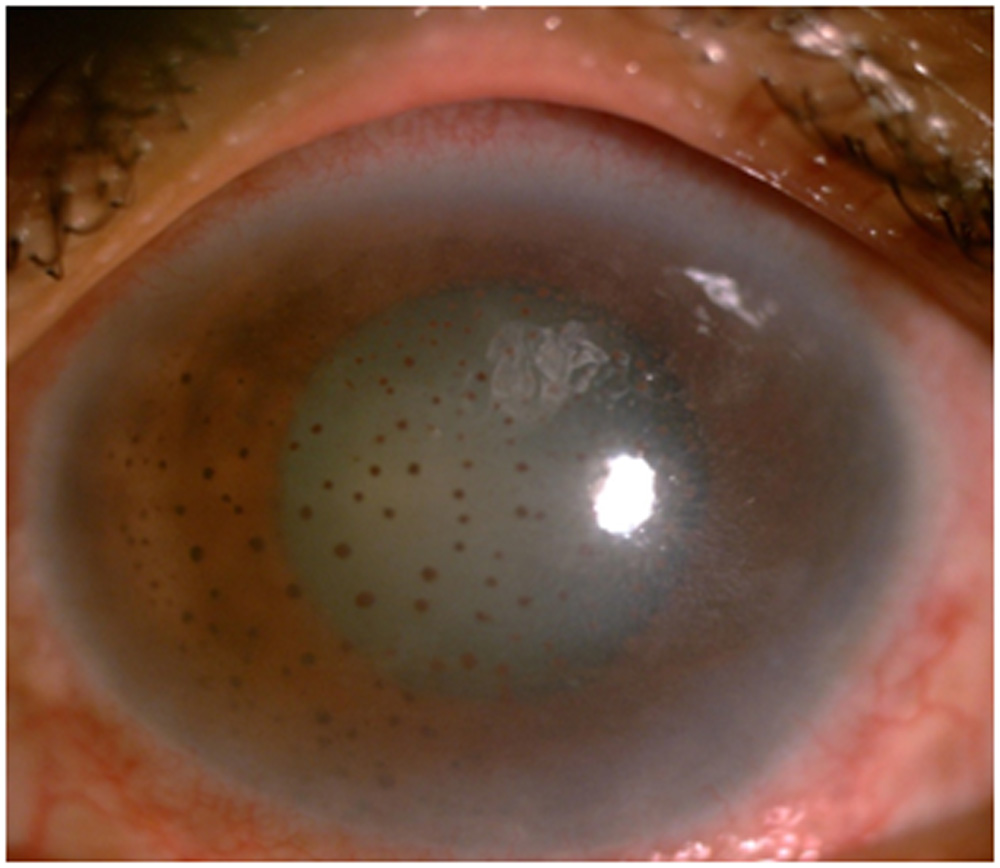
Fig 3 :Real time PCR positive for HSV 1
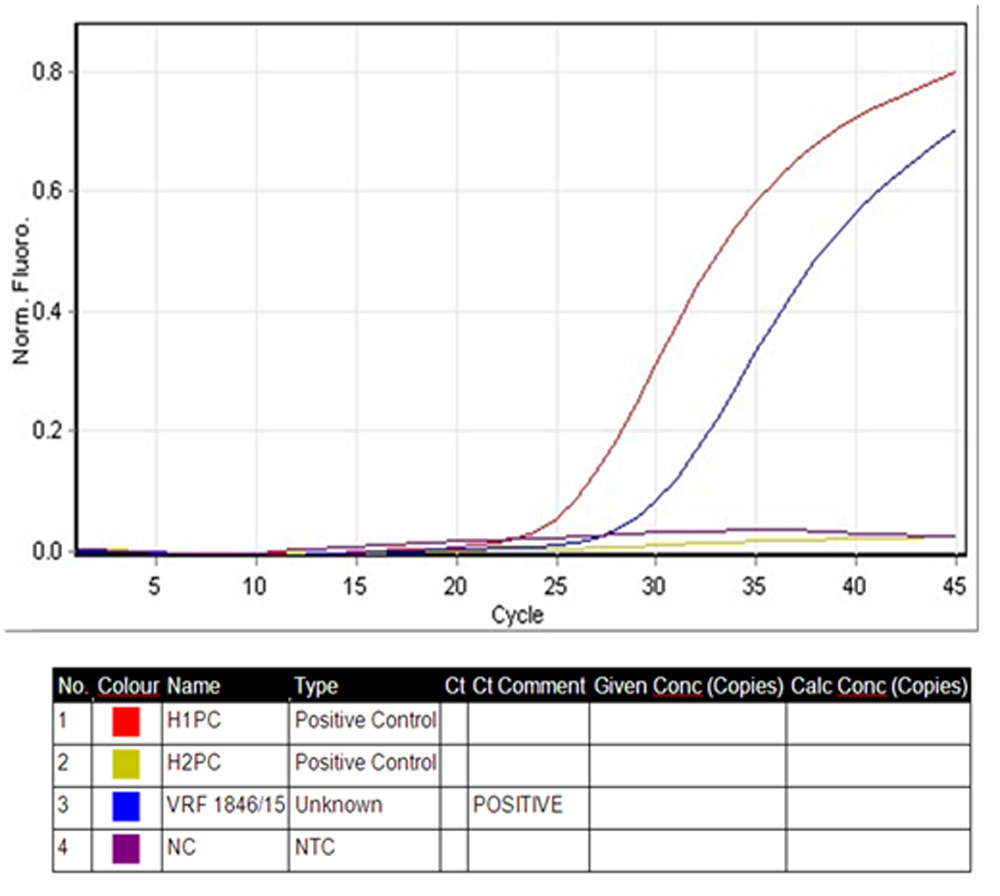
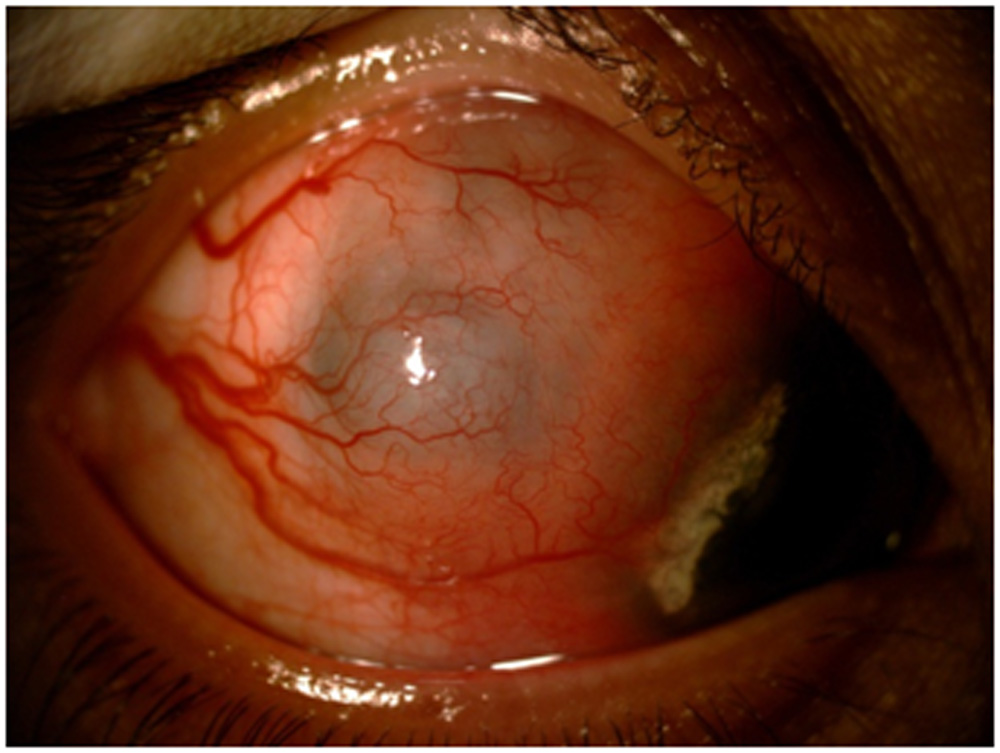
Fig 4 :Sclerokeratitis
MPB64 PCRIS6110 PCR
NC2 NC1 1355 PC NC2 NC1 1355 PC
Leave a Comment